


Let’s be honest — most of us don’t think about our blood pressure until something goes wrong. You’re sitting in a doctor’s office, the nurse wraps that cuff around your arm, and suddenly you’re hearing numbers that make your stomach drop. Sound familiar?
Here’s the thing: blood pressure isn’t just a number. It’s a real-time report card on how hard your heart is working to keep you alive. And the good news — the genuinely hopeful, science-backed news — is that you have far more power over those numbers than you might believe.
Whether you’ve recently been told your blood pressure is creeping up, or you’re simply trying to stay ahead of the curve, this guide walks you through the most effective, natural strategies available today. No gimmicks. No miracle supplements. Just honest, evidence-based approaches that work.
What Is Blood Pressure, and Why Does It Matter?
Before we dive into solutions, let’s talk basics for a moment.
Blood pressure is measured in two numbers:
- Systolic pressure (the top number) — the pressure in your arteries when your heart beats
- Diastolic pressure (the bottom number) — the pressure when your heart rests between beats
According to the American Heart Association (AHA), a healthy reading is typically below 120/80 mmHg. Readings between 120–129/less than 80 are considered “elevated,” while anything 130/80 or above falls into the hypertension range.
Hypertension — the clinical term for high blood pressure — affects nearly 1 in 3 adults worldwide, according to the World Health Organization. Left unmanaged, it significantly raises the risk of stroke, heart attack, kidney disease, and vision loss.
The scariest part? It’s often called the “silent killer” because there are rarely obvious symptoms until serious damage has already occurred.
1. Rethink What’s on Your Plate (DASH Diet Is Your Best Friend)
If there’s one lifestyle factor that consistently shows up in the research for blood pressure management, it’s diet. And the gold standard here is something called the DASH diet — Dietary Approaches to Stop Hypertension.
Originally developed and studied by the National Heart, Lung, and Blood Institute (NHLBI), the DASH diet isn’t a fad. It’s been studied for decades and consistently shown to reduce systolic blood pressure by 8–14 mmHg in people with hypertension .
What to Eat More Of:
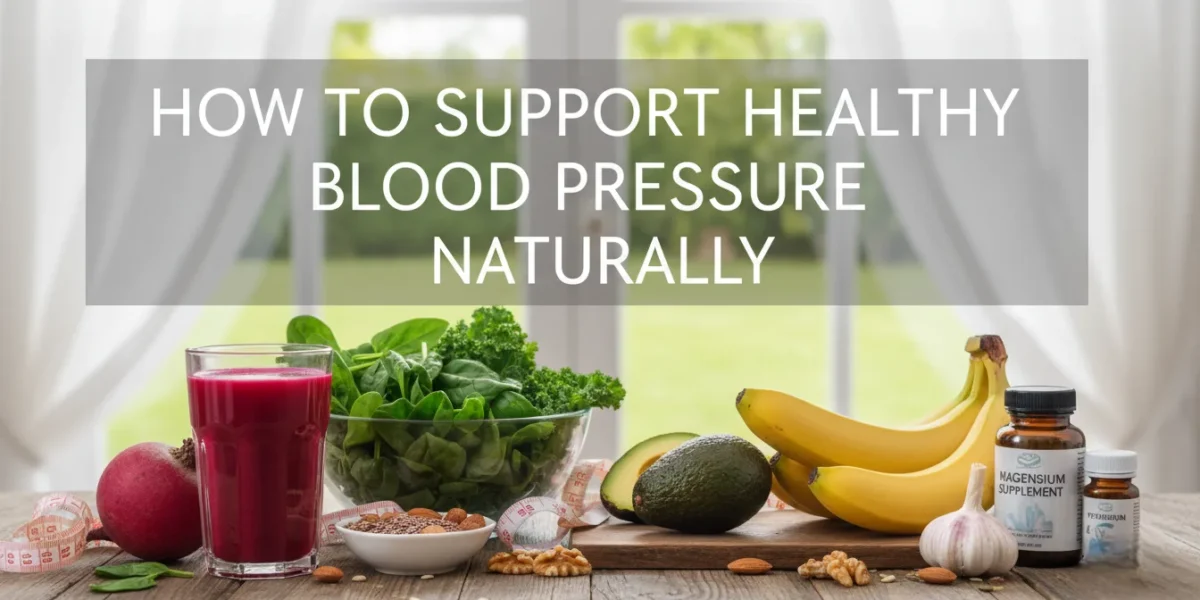
- Leafy greens (spinach, kale, arugula) — rich in potassium, which helps your kidneys flush out excess sodium
- Berries — especially blueberries; they’re packed with flavonoids that support arterial flexibility
- Beets — contain dietary nitrates that convert to nitric oxide in the body, helping dilate blood vessels
- Oats — high in beta-glucan fiber, which has been linked to blood pressure reduction
- Fatty fish (salmon, mackerel, sardines) — omega-3 fatty acids reduce inflammation and may lower blood pressure
- Bananas and avocados — excellent sources of potassium and magnesium
What to Cut Back On:
- Sodium — the AHA recommends no more than 1,500 mg per day for adults with high blood pressure. Most Americans consume over 3,400 mg daily.
- Processed and packaged foods — these are stealthy sodium bombs
- Red and processed meats — linked to increased cardiovascular risk
- Added sugars — growing research connects sugar-sweetened beverages to elevated blood pressure
A 2019 study published in the Journal of the American College of Cardiology found that people following a DASH-style diet had a significantly lower risk of developing cardiovascular disease .
Practical Tip:
Try cooking at home at least four nights a week and using herbs and spices like garlic, turmeric, and fresh basil instead of salt for flavoring. Your taste buds adapt faster than you’d expect.
2. Move Your Body — But You Don’t Need a Gym Membership
Physical inactivity is one of the most modifiable risk factors for hypertension. The research is unambiguous: regular exercise helps lower blood pressure, often meaningfully.
A comprehensive review published in the British Journal of Sports Medicine found that aerobic exercise can reduce systolic blood pressure by an average of 4.9 mmHg and diastolic by 3.7 mmHg — results comparable to some medications.
Best Types of Exercise for Blood Pressure:
Aerobic Exercise (Cardio)
Walking, cycling, swimming, jogging, dancing — aim for at least 150 minutes per week of moderate-intensity cardio (per AHA guidelines). That’s just 30 minutes, five days a week. A brisk walk in the evening counts.
Resistance Training
Lifting weights or doing bodyweight exercises (squats, push-ups, lunges) two to three times per week can provide additional blood pressure benefits. A 2023 meta-analysis in the British Journal of Sports Medicine found that isometric exercises — like wall sits and planks — were actually among the most effective forms of exercise for blood pressure reduction.
Yoga and Tai Chi
These mind-body practices combine movement with breath control and relaxation. Several studies, including one from Harvard Medical School, have shown meaningful reductions in blood pressure among regular practitioners .
Practical Tip:
If you’re sedentary right now, don’t try to go from zero to marathon in a week. Start with 10-minute walks after meals. Research shows even brief post-meal walks help regulate blood sugar and reduce blood pressure.
3. Slash the Sodium — But Do It Smartly
We already touched on sodium in the diet section, but it deserves its own conversation because it’s that important.
Sodium causes your body to retain water, which increases blood volume, which in turn raises blood pressure. Not everyone is “salt-sensitive,” but studies suggest roughly 50% of people with hypertension are .
The tricky part is that the vast majority of dietary sodium doesn’t come from the salt shaker at the dinner table. It comes from:
- Bread and rolls
- Pizza
- Sandwiches and cold cuts
- Canned soups
- Restaurant and fast food
Smart Sodium Swaps:
- Choose “no added salt” or “low sodium” versions of canned goods
- Rinse canned beans before using — it removes up to 40% of the sodium
- Ask for sauces on the side when eating out
- Read labels: anything over 600mg sodium per serving is considered high
A landmark clinical trial, TOHP (Trials of Hypertension Prevention), found that reducing sodium intake by roughly 900 mg per day was associated with a 25–30% lower risk of cardiovascular events over the following decade .
4. Manage Stress — Because Your Mind Affects Your Heart
Stress doesn’t just feel bad. It physically raises blood pressure — both immediately and, when chronic, over time.
When you’re under stress, your body releases adrenaline and cortisol, causing your heart to beat faster and your blood vessels to constrict. Short-term, that’s a survival response. But if it’s happening every day because of work, finances, relationships, or just scrolling through the news… that’s a cardiovascular problem.
Research from the American Psychological Association confirms that chronic stress is a significant contributor to hypertension and cardiovascular disease .
Proven Stress-Reduction Techniques:
Mindfulness Meditation
A meta-analysis published in JAMA Internal Medicine found that mindfulness-based stress reduction programs produced clinically meaningful reductions in blood pressure. Even 10 minutes a day of focused breathing has measurable effects.
Deep Breathing Exercises
Slow, diaphragmatic breathing activates the parasympathetic nervous system — your body’s “rest and digest” mode — and can lower blood pressure within minutes. Try the 4-7-8 method: inhale for 4 seconds, hold for 7, exhale for 8.
Journaling and Gratitude Practice
Writing about positive experiences has been shown to lower cortisol levels. It sounds simple, but the data supports it.
Time in Nature
A growing body of research (“green prescriptions”) suggests that spending time outdoors — particularly in natural settings like parks or forests — lowers blood pressure and reduces stress hormones.
5. Sleep: The Underrated Blood Pressure Tool
Here’s something that surprises a lot of people: poor sleep is one of the most powerful, yet most overlooked, drivers of high blood pressure.
When you’re sleep-deprived, your sympathetic nervous system stays activated, keeping your blood pressure elevated even at rest. The National Sleep Foundation links consistently getting fewer than 6 hours of sleep per night with a significantly higher risk of hypertension .
A 2021 study in the journal Hypertension found that adults who slept less than 7 hours had systolic blood pressure readings that were, on average, 6–8 mmHg higher than well-rested counterparts.
Sleep apnea is a particularly serious concern. Undiagnosed sleep apnea — where breathing repeatedly stops during sleep — is closely linked to treatment-resistant hypertension. If you snore loudly or wake up unrefreshed, it’s worth speaking with a doctor about a sleep study.
Tips for Better Sleep:
- Keep a consistent sleep schedule, even on weekends
- Avoid screens (phones, tablets, TVs) for at least 60 minutes before bed
- Keep your bedroom cool (around 65–68°F / 18–20°C)
- Avoid large meals, alcohol, or caffeine in the hours before sleep
- Consider a magnesium glycinate supplement in the evening (more on this below)
6. Limit Alcohol and Quit Smoking
This section won’t be preachy, but the facts are clear.
Alcohol raises blood pressure, and the effect is dose-dependent. Even moderate drinking — defined as more than 1 drink per day for women, 2 for men — is associated with meaningful blood pressure increases. A 2018 analysis in The Lancet found no “safe” level of alcohol consumption from a cardiovascular standpoint.
Smoking damages blood vessel walls, accelerates plaque buildup, and raises blood pressure acutely with every cigarette. Quitting smoking is one of the single most impactful things a person can do for cardiovascular health — and the benefits begin within hours of quitting.
7. Natural Supplements That Show Promise
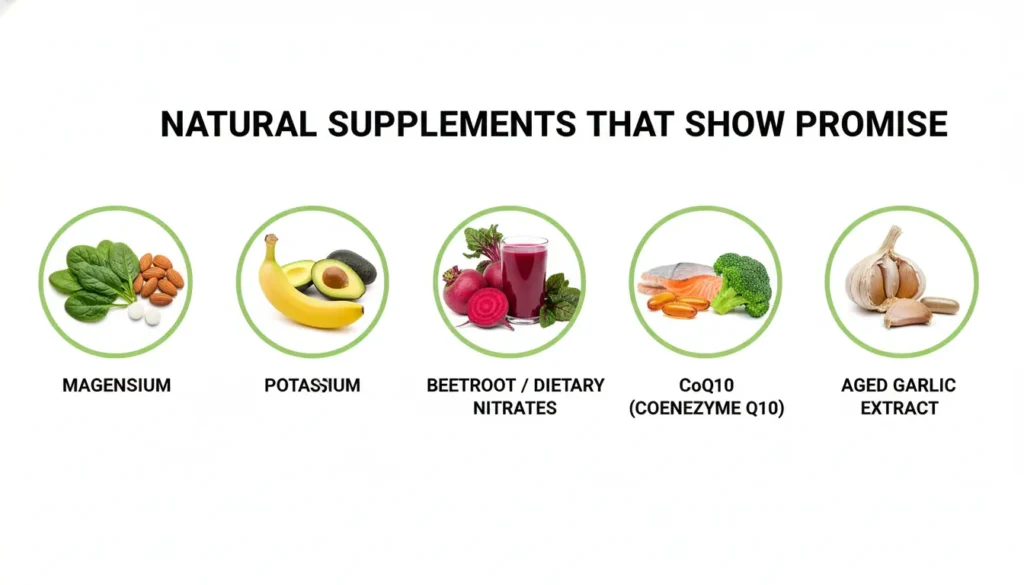
This is where things get nuanced. The supplement industry is filled with bold claims, and not all of them are backed by solid science. That said, several natural compounds do have credible evidence supporting their use for blood pressure management:
Magnesium
Magnesium deficiency is remarkably common (estimates suggest 50–80% of Americans are deficient) and is strongly associated with elevated blood pressure. Supplementing with 300–400 mg of magnesium glycinate or citrate per day has shown modest but consistent blood pressure-lowering effects in clinical trials .
Potassium
While ideally obtained from food (bananas, sweet potatoes, avocado, lentils), potassium supplementation has also shown benefit. Potassium helps counterbalance the effects of sodium on blood pressure. The AHA recommends 4,700 mg of potassium per day for most adults.
Beetroot / Dietary Nitrates
As mentioned earlier, beet juice and beet powder are genuinely effective. A 2013 study in Hypertension (AHA journal) found that drinking one cup of beet juice daily reduced systolic pressure by an average of 10.4 mmHg in hypertensive patients.
CoQ10 (Coenzyme Q10)
CoQ10 is an antioxidant naturally found in the body, with declining levels as we age. Several meta-analyses have found meaningful reductions in blood pressure with supplementation (typically 100–200 mg/day), though more research is still ongoing.
Aged Garlic Extract
A 2016 review in the Journal of Nutrition found that aged garlic extract supplementation produced significant reductions in systolic blood pressure compared to placebo, particularly in people with hypertension.
Important: Always talk to your doctor before starting any supplement, especially if you’re already on blood pressure medication, as interactions can occur.
8. Stay Hydrated (and Watch What You Drink)
Dehydration causes your blood to thicken, forcing your heart to work harder. Staying well-hydrated — typically 6–8 glasses of water per day — supports healthy circulation and blood pressure.
Green tea is worth mentioning separately. A meta-analysis of 13 randomized controlled trials found that green tea consumption was associated with modest but statistically significant reductions in blood pressure. The flavonoids (particularly EGCG) appear to improve vascular function .
Hibiscus tea is another standout. Multiple studies — including one published in the Journal of Nutrition — found that drinking three cups of hibiscus tea daily lowered systolic blood pressure by an average of 7 mmHg in adults with prehypertension or mild hypertension.
9. Monitor Your Blood Pressure at Home
This is practical advice that gets overlooked. Knowing your numbers is empowering.
Home blood pressure monitors are affordable (often under $40) and validated for accuracy. The AHA recommends measuring in the morning before eating or taking medications, and again in the evening .
Keeping a log of your readings — even in a simple notes app — helps you and your doctor see trends and make informed decisions.
“White coat hypertension” — elevated readings only in clinical settings due to anxiety — is common. Home monitoring helps distinguish this from genuine hypertension.
10. Build a Support System and Track Progress
Behavioral science consistently shows that people who have accountability partners, whether a friend, spouse, or healthcare provider, are far more likely to maintain lifestyle changes long-term.
Consider:
- Joining a walking group or fitness class
- Working with a registered dietitian
- Using an app like MyFitnessPal or Cronometer to track sodium and potassium intake
- Sharing your blood pressure goals with a family member
Small, consistent progress beats dramatic short-term changes every time.
The Bigger Picture: These Changes Work Together
It’s tempting to look at this list and think, “I need to do everything at once.” You don’t.
Research actually supports a cumulative and synergistic approach: each change you make adds up. Reducing sodium + adding exercise + improving sleep + managing stress can, together, produce reductions of 15–20 mmHg or more in systolic blood pressure — which is comparable to, and in some cases better than, single-drug treatment.
That said, if your blood pressure is in the Stage 2 hypertension range (140/90 or above), please work alongside a physician. Natural strategies are powerful complements to medical care — not always substitutes.
Quick Reference: Summary Table
| Strategy | Potential Reduction | Timeframe |
|---|---|---|
| DASH Diet | 8–14 mmHg systolic | 2–4 weeks |
| Regular Aerobic Exercise | 4–9 mmHg systolic | 4–8 weeks |
| Sodium Reduction | 2–8 mmHg systolic | 1–2 weeks |
| Weight Loss (per 10 lbs) | 5–10 mmHg systolic | Ongoing |
| Limiting Alcohol | 2–4 mmHg systolic | 1–2 weeks |
| Stress Management | 2–5 mmHg systolic | Varies |
| Better Sleep | 4–8 mmHg systolic | 2–4 weeks |
| Magnesium Supplementation | 2–4 mmHg systolic | 4–8 weeks |
Sources: AHA, NHLBI, Mayo Clinic, Cochrane Reviews
Frequently Asked Questions (FAQ)
Q1: Can I lower my blood pressure naturally without medication?
A: Many people — especially those with elevated or Stage 1 hypertension — can achieve meaningful reductions through lifestyle changes alone. However, this depends on your individual health situation. Those with Stage 2 hypertension (140/90+) or existing cardiovascular conditions should work closely with a doctor. Lifestyle changes can complement medication, and in some cases may reduce the need for it over time.
Q2: How quickly can lifestyle changes lower blood pressure?
A: Some changes, like reducing sodium intake, can show effects within days to weeks. Others, like regular exercise, typically take 4–8 weeks of consistency to produce measurable results. Most people who commit to comprehensive lifestyle changes see significant improvements within 3 months.
Q3: Is walking enough exercise to lower blood pressure?
A: Yes — genuinely. Walking is one of the most studied and consistently effective forms of exercise for blood pressure management. A daily 30-minute brisk walk is enough to produce meaningful results over time, particularly when combined with other lifestyle changes.
Q4: What foods should I avoid if I have high blood pressure?
A: The main culprits are high-sodium foods (processed meats, canned soups, fast food, salted snacks), sugar-sweetened beverages, alcohol in excess, and foods high in saturated and trans fats. Red meat and full-fat dairy products should be consumed in moderation.
Q5: Is coffee bad for blood pressure?
A: Caffeine causes a temporary spike in blood pressure, but research suggests that habitual, moderate coffee consumption (1–3 cups per day) is not associated with long-term hypertension in most people. However, sensitivity varies. If you’re sensitive to caffeine or have uncontrolled hypertension, it’s worth monitoring how coffee affects your personal readings.
Q6: What is the best natural supplement for blood pressure?
A: Based on current evidence, magnesium, potassium, beetroot/dietary nitrates, and aged garlic extract have the most consistent clinical support. That said, no supplement should replace dietary and lifestyle changes, and you should always consult a doctor before adding supplements — especially if you’re on medications.
Q7: Does stress really raise blood pressure?
A: Absolutely. Acute stress triggers a surge of adrenaline and cortisol that causes your heart to beat faster and blood vessels to constrict, temporarily raising blood pressure. Chronic stress keeps your body in a prolonged activated state, which over time contributes to sustained hypertension. Managing stress is a legitimate and important blood pressure strategy.
Q8: Can losing weight lower blood pressure?
A: Yes — significantly. Losing as little as 5–10 pounds can produce a noticeable drop in blood pressure, especially for people who are overweight or obese. The relationship is well-established: for every 10 pounds (4.5 kg) lost, blood pressure drops by roughly 5–10 mmHg.
Q9: How often should I check my blood pressure at home?
A: If you have elevated or high blood pressure, the AHA recommends checking twice daily — once in the morning before eating or taking medications, and once in the evening. If your blood pressure is well-controlled or you’re monitoring to establish a baseline, once daily is usually sufficient. Always take 2–3 readings in a row and average them for accuracy.
Q10: Is high blood pressure reversible?
A: In many cases, particularly when caught early and addressed through meaningful lifestyle changes, elevated or Stage 1 hypertension can be reduced to normal ranges. However, genetic factors, age-related arterial stiffness, and long-standing hypertension may make complete “reversal” difficult. The goal is always optimization and risk reduction.
Authoritative External Resources
For further reading and guidance from leading health organizations:
- 🫀 American Heart Association — Blood Pressure Education: heart.org/highbloodpressure
- 🏥 Mayo Clinic — High Blood Pressure (Hypertension): mayoclinic.org
- 🔬 National Heart, Lung, and Blood Institute (NHLBI) — DASH Eating Plan: nhlbi.nih.gov/dash
- 🌍 World Health Organization — Hypertension Fact Sheet: who.int/hypertension
- 📚 PubMed / NCBI — Peer-reviewed research on lifestyle and hypertension: pubmed.ncbi.nlm.nih.gov
- 💤 National Sleep Foundation — Sleep and Blood Pressure: sleepfoundation.org
- 🧠 American Psychological Association — Stress and Heart Health: apa.org/stress-heart
- 🍎 Harvard T.H. Chan School of Public Health — The Nutrition Source: hsph.harvard.edu
Final Thoughts: Start Small, Stay Consistent
Supporting healthy blood Sugar naturally isn’t about perfection. It’s about progress. It’s choosing beets over chips occasionally. It’s going to bed 30 minutes earlier. It’s taking a walk after dinner instead of scrolling.
The research is clear: small, consistent changes in how you eat, move, sleep, and handle stress can produce genuinely significant improvements in your blood pressure — and by extension, your long-term health and longevity.
You don’t have to overhaul your entire life overnight. Start with one thing this week. Then add another. Give your body time to respond, because it will.
And above all — please don’t navigate this alone. A good primary care physician, dietitian, or cardiologist can help you build a personalized plan that makes these strategies work for your specific situation.
Your heart has been working every second of every day for you. It’s worth a little effort in return.

Other Articles