





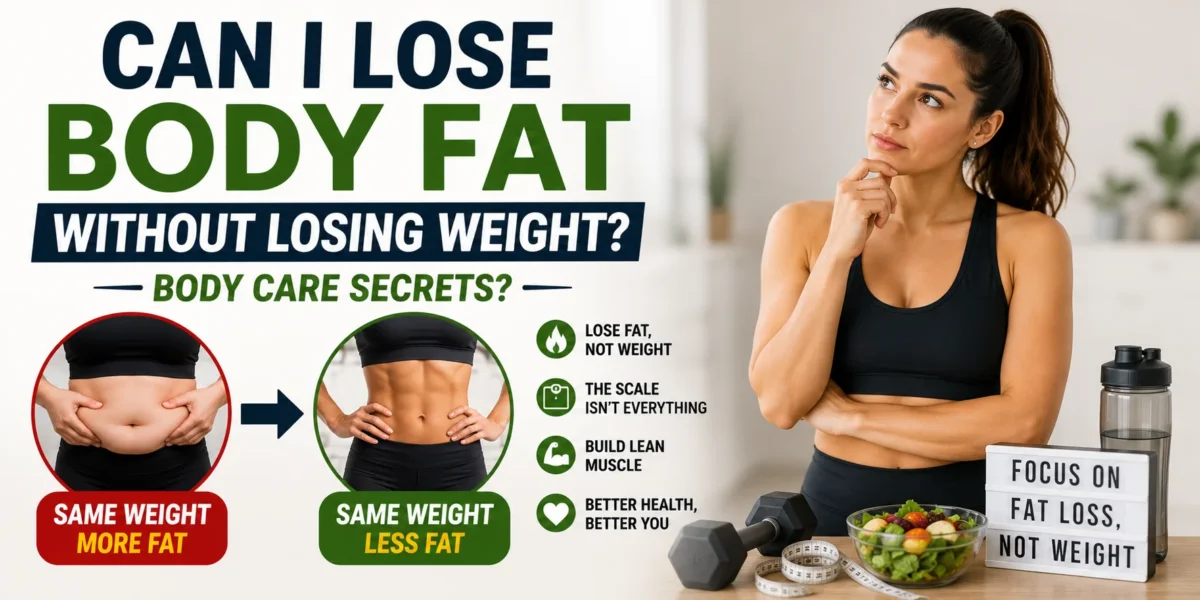
If you’ve ever stepped on a bathroom scale after weeks of disciplined workouts and clean eating, only to see the same number staring back at you, you already know the frustration we’re talking about. You feel leaner. Your clothes fit differently. Your jawline looks sharper. But the scale refuses to budge. So the question naturally pops into your head: can I lose body fat without losing weight?
Understanding the Difference Between Weight Loss and Body Fat Loss
Most people use “losing weight” and “losing body fat” interchangeably, but physiologically they are not the same thing. Your body weight is the sum of everything inside you — bone, muscle, organs, water, glycogen, and yes, body fat. When you lose body fat, you are specifically reducing the adipose tissue stored under your skin and around your organs. When you lose weight, you could be losing body fat, muscle, water, or some combination of all three.
The process behind this is known as body recomposition, where the body gradually builds lean muscle while reducing excess body fat at the same time. Since muscle is denser than fat and occupies less space, you may notice your clothes fitting better, your waist becoming smaller, and your physique looking more toned even if the number on the scale changes very little.
According to the National Institute of Diabetes and Digestive and Kidney Diseases (NIDDK), body composition measures the proportion of fat, muscle, bone, and water in the body. Two individuals can have the same height and weight yet appear very different because of differences in their body fat percentage and lean muscle mass. This explains why focusing on body composition often provides a more accurate picture of fitness progress than relying on weight alone.
Why the Scale Isn’t Telling You the Whole Story
A standard bathroom scale shows only one measurement: your total body weight. It cannot distinguish between muscle, water, bone, and body fat, which is why the number on the scale doesn’t always reflect your fitness progress. Instead of relying solely on weight, it’s more useful to consider changes in overall body composition.
Several factors can make it seem like progress has stalled even when you’re moving in the right direction:
- Muscle gain: Building lean muscle while losing fat can keep your weight stable because muscle is denser and takes up less space than fat.
- Water retention: High sodium intake, hormonal fluctuations, stress, and intense workouts can temporarily increase water weight.
- Glycogen storage: Carbohydrates are stored in your muscles along with water, so eating more carbs can cause short-term weight fluctuations that are unrelated to body fat.
- Digestive contents: The amount of food, fluids, and waste in your digestive system can naturally change your weight by several pounds from one day to the next.
This is why fitness professionals increasingly recommend tracking body fat percentage, waist circumference, and progress photos instead of relying solely on scale weight.
The Science Behind Body Recomposition
Body recomposition is grounded in a fairly simple physiological principle: muscle protein synthesis and fat oxidation can occur simultaneously under the right conditions. Research published through the National Library of Medicine has explored how resistance training combined with adequate protein intake allows the body to build lean muscle even while in a caloric environment that promotes burning body fat.
This is most achievable in a few specific populations:
- Beginners to strength training — Often called “newbie gains,” people new to lifting weights can build muscle and lose body fat at the same time because their bodies are highly responsive to new training stimulus.
- People returning to fitness after a break — Muscle memory allows previously trained muscle to rebuild quickly, even in a fat-loss phase.
- Individuals with higher starting body fat percentages — More stored body fat means more available energy reserves, making it easier for the body to use fat stores for fuel while directing dietary protein toward muscle repair.
- People who optimize protein intake and resistance training — Even without being a beginner, consistently combining high-protein eating with progressive overload can support a slow, steady form of fat-to-muscle recomposition.
The American Council on Exercise notes that body composition testing gives a far more accurate picture of fitness progress than scale weight alone, since it separates fat mass from fat-free mass.
How to Lose Body Fat Without Losing Weight: Practical Strategies
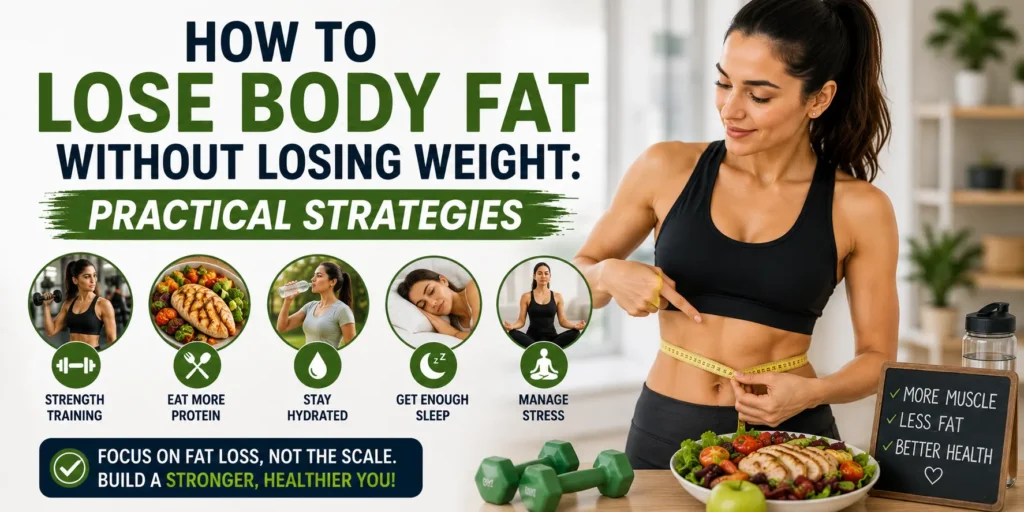
If your goal is to burn body fat while keeping the scale steady (or building muscle to replace what you lose), here are the strategies that actually work.
1. Prioritize Resistance Training Over Cardio Alone
Strength training is the single most important driver of body recomposition. Lifting weights signals your body to preserve and build muscle tissue, even while you’re in a fat-burning phase. Cardio alone burns calories but does little to stimulate muscle retention, which means relying only on cardio often leads to losing both body fat and muscle simultaneously — not the outcome you want.
2. Eat Enough Protein
Protein is the building block of muscle tissue and plays a critical role in preserving lean mass while you lose body fat. Most research suggests active individuals aiming for body recomposition should consume somewhere between 0.7 and 1 gram of protein per pound of body weight daily. This high protein intake also increases satiety, helping control overall calorie intake without constant hunger.
3. Maintain a Modest Calorie Deficit (Not an Extreme One)
A small, sustainable calorie deficit of around 250 to 500 calories below maintenance is ideal for losing body fat while preserving — or even building — muscle. Extreme calorie deficits often backfire, causing the body to break down muscle tissue for energy alongside fat, which works against your body recomposition goals.
4. Track Body Fat Percentage, Not Just Weight
Use methods like skinfold calipers, bioelectrical impedance scales, DEXA scans, or simple waist-to-hip measurements to track actual body fat reduction over time. These tools provide a much clearer picture of progress than the number on a bathroom scale.
5. Prioritize Sleep and Stress Management
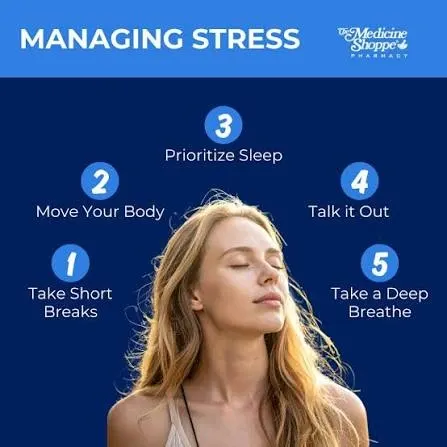
Poor sleep and chronic stress elevate cortisol, a hormone linked to increased abdominal body fat storage and muscle breakdown. Getting seven to nine hours of quality sleep supports hormone balance that favors burning body fat instead of storing it.
6. Stay Consistent With Progressive Overload
To keep building or preserving muscle while you lose body fat, you need to continually challenge your muscles by gradually increasing weight, reps, or training volume over time. Without this progressive stimulus, your body has little reason to hold onto muscle tissue during a fat-loss phase.
7. Be Patient — Body Recomposition Is Slow
Unlike rapid weight loss, body recomposition is a gradual process that can take several months to show dramatic results. Patience and consistency matter more than speed here.
Pros and Cons of Focusing on Body Fat Loss Instead of Scale Weight
| Pros of Tracking Body Fat | Cons of Tracking Body Fat |
|---|---|
| Gives a true picture of physique changes, not just total mass | Requires specialized tools (calipers, scans, smart scales) for accuracy |
| Helps preserve and build muscle while reducing body fat | Can be harder to measure consistently at home |
| Keeps motivation high even when scale weight stalls | Initial cost of accurate body fat testing (DEXA scans, etc.) can be high |
| Reduces obsession with daily scale fluctuations | Progress can feel slower compared to rapid scale-based weight loss |
| Supports long-term metabolic health and strength | Requires more education to interpret results correctly |
| Encourages strength training, which has many added health benefits | Some methods (bioelectrical impedance) can be affected by hydration levels |
Real-Life Case Study: How a US Woman Lost Body Fat While Her Weight Stayed the Same
Rachel M., a 34-year-old marketing professional from Austin, Texas, had spent years judging her progress by the number on the scale. Wanting a healthier approach, she started a 16-week body recomposition program that combined strength training with guidance from a registered dietitian.
At the beginning of the program, Rachel weighed 152 pounds and had an estimated body fat percentage of 32%. Her routine included resistance training four times per week, about 120 grams of protein each day, and a moderate calorie deficit of roughly 300 calories below her maintenance needs.
By the end of the 16 weeks, the scale showed only a small change, dropping to 149 pounds. However, her results told a much bigger story. Her body fat percentage decreased to around 26%, while she added lean muscle, reduced her waist measurement by nearly three inches, and went from a size 10 to a size 6 in clothing.
Rachel’s experience highlights why scale weight alone can be misleading. If she had focused only on those three pounds, she might have believed her efforts weren’t working. Instead, improvements in body composition, strength, and the way her clothes fit showed meaningful progress that the scale couldn’t fully capture.
Many beginners and people returning to regular strength training experience similar changes. With consistent exercise, adequate protein, and balanced nutrition, it’s possible to look leaner, feel stronger, and improve overall body composition even when body weight changes very little.
Common Mistakes That Stall Body Fat Loss Progress
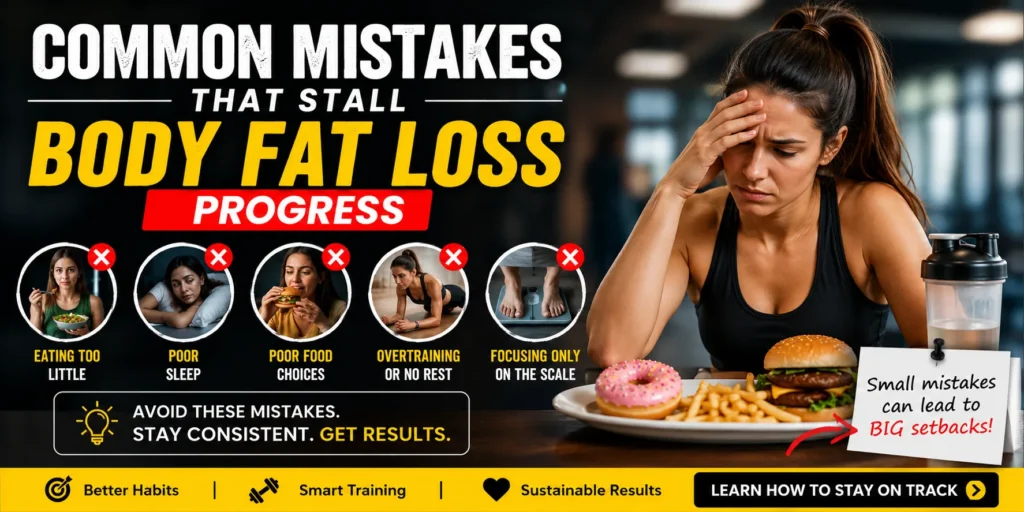
- Over-relying on the scale — As covered above, this is the single biggest mental trap people fall into.
- Doing cardio only, with no strength training — This often leads to muscle loss alongside body fat loss, producing a “skinny fat” appearance rather than a toned one.
- Eating too little protein — Low protein intake during a fat-loss phase increases the risk of losing muscle along with body fat.
- Crash dieting — Extreme calorie restriction triggers muscle breakdown and metabolic slowdown, making long-term body fat reduction harder.
- Inconsistent training — Sporadic workouts fail to provide the consistent stimulus muscles need to grow or even be preserved.
- Ignoring sleep and stress — These factors quietly sabotage hormone balance, which directly affects how efficiently your body burns body fat.
How Long Does It Take to See Body Fat Loss Without Weight Loss?
Body recomposition is a marathon, not a sprint. Most people following a structured strength training and nutrition program begin to notice visible changes in body fat distribution — especially around the waist, face, and arms — within 8 to 12 weeks. Significant, measurable body fat reduction (3 to 5 percentage points) typically takes anywhere from four to six months of consistent effort.
Because the scale weight may stay flat or fluctuate minimally during this process, tracking progress photos, body measurements, and how clothing fits becomes essential to staying motivated.
Frequently Asked Questions (FAQ)
Q1: Can I really lose body fat without losing weight?
Yes. This can happen through a process called body recomposition, where you reduce body fat while building lean muscle. Because muscle is denser than fat, your weight may stay the same—or even increase slightly—while your physique becomes leaner and more toned.
Q2: What is the best way to track progress if the scale isn’t moving?
Instead of relying only on the scale, monitor your waist circumference, progress photos, clothing fit, and body composition measurements such as skinfold calipers, bioelectrical impedance scales, or DEXA scans. These methods provide a clearer picture of physical changes.
Q3: Do I need to be in a calorie deficit to lose fat?
In most cases, yes. A moderate calorie deficit of about 250–500 calories per day encourages the body to use stored energy while helping preserve lean muscle when paired with adequate protein and resistance training.
Q4: Is it possible to lose fat while gaining muscle at the same time?
Yes. This is known as body recomposition and is especially common among beginners, people returning to exercise after a break, and individuals with higher starting body fat levels.
Q5: How much protein should I eat to preserve muscle?
Research generally recommends consuming about 0.7–1 gram of protein per pound of body weight each day to support muscle maintenance and growth during a fat-loss phase.
Q6: Why does my weight fluctuate from day to day?
Daily changes are usually caused by water retention, sodium intake, hormone fluctuations, glycogen storage, and the amount of food in your digestive system—not actual changes in body fat.
Q7: Is cardio or strength training better for fat loss without losing muscle?
Strength training is the most effective way to maintain and build muscle while reducing fat. Cardio is valuable for heart health and increasing calorie burn, but it works best when combined with resistance training.
Q8: How long does body recomposition take?
Many people begin noticing visible improvements within 8–12 weeks. More significant changes in body composition often require four to six months of consistent nutrition, strength training, and recovery.
Key Takeaways
Losing body fat without losing weight is not only possible — it’s a well-documented outcome of body recomposition, particularly for beginners to resistance training, those returning to fitness after time off, and anyone with a higher starting body fat percentage. The scale measures total mass, not body composition, which means it can completely mask genuine progress in burning body fat and building lean muscle.
To shift your focus away from the scale and toward real body fat reduction, prioritize resistance training, eat sufficient protein, maintain a modest and sustainable calorie deficit, track body fat percentage and measurements instead of just weight, and be patient with the process. Real transformation in body fat and muscle composition takes months, not days, but the results are far more meaningful and lasting than a quick drop in scale weight ever could be.
If you’ve been frustrated by a stalled scale despite your hard work, remember Rachel’s story: sometimes the scale staying still is actually proof that something remarkable is happening beneath the surface — real body fat loss and real muscle gain, working together to reshape your body in ways no scale can fully capture.
Sources and References
- National Institute of Diabetes and Digestive and Kidney Diseases (NIDDK) — niddk.nih.gov
- American Council on Exercise (ACE Fitness) — acefitness.org
- National Library of Medicine / PubMed — ncbi.nlm.nih.gov/pmc
- Mayo Clinic — mayoclinic.org
- Harvard T.H. Chan School of Public Health — hsph.harvard.edu
Disclaimer
This article is intended for general informational and educational purposes only and does not constitute medical, nutritional, or fitness advice. The information shared, including the case study referenced, reflects general trends and is not a guarantee of individual results, as outcomes vary based on genetics, lifestyle, medical history, and adherence to a program. Always consult a licensed physician, registered dietitian, or certified fitness professional before starting any new diet, exercise, or weight management program, especially if you have underlying health conditions. “Body Care Secrets” and the author(s) of this article are not liable for any actions taken based on the content provided here.

Other Articles

Which Is More Dangerous: Blood Sugar vs Urine Sugar?
10 Healthy Processed Foods That Can Support Weight Loss