

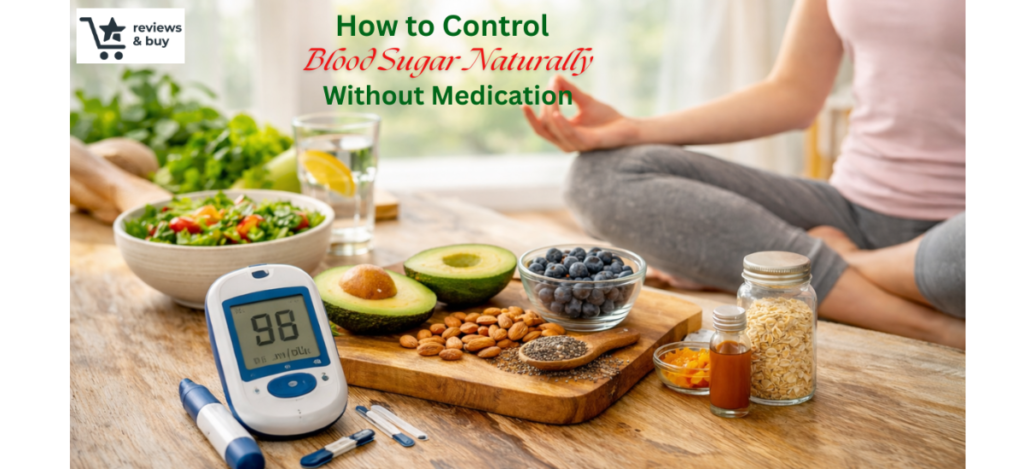
Control Blood sugar Naturally is rising rapidly nowadays and is one of the most concerning health issues ever. Insulin and diabetes are on the rise worldwide. According to the WHO, around 422 million adults are living with diabetes. If this is not taken seriously and not treated at the right time, it can lead to serious health issues like heart disease and nerve damage.
But the best thing is that just by paying little attention to your daily habits, like eating healthier, staying active, and managing your stress levels can make a big difference in your overall health.
Understanding Blood Sugar and Why It Rises
Glucose (or blood sugar) occurs from carbohydrates; it is your body’s main source of energy. Insulin is a hormone secreted by the pancreas that acts like a “key” in allowing glucose to be absorbed by your body’s cells so you can use glucose properly as energy.
If insulin functions ineffectively or if your body’s cells develop resistance to insulin, the glucose in your bloodstream no longer provides energy for your muscles and brain. Over time, this condition can place strain on the pancreas and increase your risk of developing diabetes, heart disease, or other complications associated with metabolism.
How Blood Sugar Rises?
There are two main causes that are responsible for the rise in your sugar levels:
Insulin Resistance: In this condition, cells stop responding properly to insulin, so the body needs more insulin to transport sugar into the cells.
Glucose Spikes: Eating sugary foods or white carbs raises blood sugar quickly, faster than the pancreas can handle.
Key Lifestyle Factors That Affect Blood Sugar
Daily habits play a very important role in your sugar levels; it’s not like that every time it’s your food.
- Chronic Stress: The body produces additional amounts of cortisol when it is stressed, leading to the release of more stored glucose from the liver, therefore increasing blood sugar levels, even though you may not have consumed any food.
- Lack of Exercise: When you do not get sufficient exercise, the muscles in the body will not use glucose effectively, resulting in an increase in sugar in the blood.
- Inadequate Sleep: Insufficient sleep often decreases the amount of insulin produced by the body, thus raising blood sugar levels and causing energy levels to fluctuate.
- Dawn Phenomenon: The hormones that increase in the body when a person wakes up will cause an increase in blood sugar levels and prepare the body for the day; however, they will also raise fasting glucose levels.
- Excessive Body Fat: Increased amounts of fat in the body, particularly in the abdominal region, will decrease the effectiveness of insulin and, subsequently, make it more difficult for the body to absorb glucose into its cells.
- Imbalance within the Gut and Inflammation: An imbalance within the body and inflammation can result in a disruption of metabolism and the signalling of insulin, which can result in fluctuating blood sugar levels.
Other Factors:
- Aging
- Genetic predisposition
- Certain medications
- Smoking
- Alcohol consumption
- Skipping meals
- Long hours of inactivity
Best Diet Plan for Blood Sugar Control
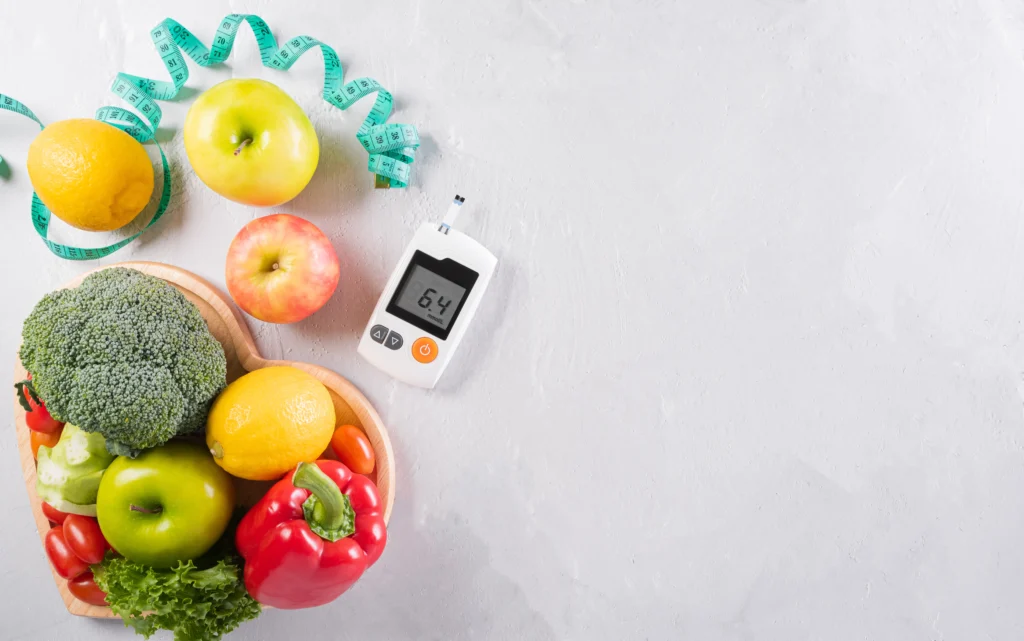
Blood sugar can be controlled naturally, but it does not mean that you have to starve yourself. You just have to make some smart choices, like proper portioning and the manner in which you eat. These habits prevent post-meal sugar spikes and help in keeping a healthy pancreas.
The Plate Method: A Simple Blueprint
A visualization of your food on your plate before eating completely changes the impact of food on blood glucose control.
- 50% Non-Starchy Vegetables: such as spinach, broccoli, bell peppers, kale, and zucchini, contain fiber that slows the rate at which the body processes available sugar and keeps you feeling full longer.
- 25% Lean Protein: sources such as chicken, fish, egg, tofu, Greek yogurt, and legumes trigger the release of hormones that will assist with balancing insulin levels and controlling the spikes in those levels
- 25% Complex Carbohydrates: such as quinoa, lentils, brown rice, sweet potatoes, and whole fruit, such as berries and apples, have lower glycemic indices compared to other types of carbohydrates.
The Sequence Strategy: Eat in the Right Order
Research shows that the order of eating can drastically affect blood sugar levels. For maximum benefit:
- Fiber First: Begin with salad or non-starchy vegetables.
- Protein & Fats Second: Include lean meat, tofu, nuts, or olive oil.
- Carbs Last: Save starchy foods or fruit for the end.
Following this sequence can reduce post-meal glucose spikes by up to 70-75% compared to eating in reverse order.
Key Food Groups for Stabilizing Blood Sugar
1) Low-Glycemic Foods: These types of food help to slow down the process of digestion & prevents having high glucose levels after eating the foods. For example, Oats, Quinoa, Brown rice, Lentils, Chickpeas, Sweet potatoes, Whole fruits (apples & berries).
2) Lean Proteins: These types of foods release sugar into your bloodstream at a slower rate, which helps you to feel full longer and gain muscle strength. Examples: Eggs, Fish, Chicken, Tofu, Greek Yogurt, Paneer, Beans, & Legumes.
3) Healthy Fats: These help keep your blood sugar from dropping too low or going too high; slow down the digestion of food; & support normal hormone function. For example, Nuts & seeds, Olive oil, Avocados, Fatty fish, such as Salmon.
4) Fiber-rich vegetables: These are essential for keeping your blood sugar stable while also helping with digestion and maintaining your overall metabolism. Some examples are: Spinach, Broccoli, Cauliflower, Zucchini, Creamed Cabbage, Bell Peppers.
Also Read: Healthy Weight Loss Plan | Simple & Effective Daily Tips – Reviews And Buy
Best Diet Plan for Blood Sugar Control
| Day | Breakfast | Mid-Morning Snack | Lunch | Evening Snack | Dinner | Before Bed |
| Mon | vegetable omelette with oats | handful of almonds | lentils with brown rice and salad | Greek yogurt with chia seeds | stir-fried vegetables with tofu | herbal tea |
| Tue | oatmeal with nuts and seeds | apple slices with peanut butter | grilled chicken with quinoa and vegetables | roasted chickpeas | vegetable soup with paneer | chamomile tea |
| Wed | Greek yogurt with berries and seeds | walnuts | brown rice with fish curry and salad | boiled eggs | stir-fried broccoli with tofu | herbal tea |
| Thur | whole-grain toast with avocado and toast | handful of peanuts | chickpea salad with vegetables | buttermilk (unsweetened) | grilled chicken with sauteed vegetables | green tea |
| Fri | veggie omelet with whole-grain toast | pumpkin seeds | Grilled chicken or lentil bowl with quinoa and mixed greens | cottage cheese with cherry tomatoes | grilled salmon with sauteed vegetables | herbal tea |
| Sat | green smoothie (spinach, Greek yogurt, chia seeds, berries) | almonds | quinoa salad with roasted vegetables and tofu | roasted edamame | vegetable stir-fry with paneer or tofu | cinnamon tea |
| Sun | savory chickpea pancakes with vegetables | fresh fruits with mixed nuts | brown rice with kidney beans, avocado, and salad | Greek yogurt with seeds | grilled fish with roasted vegetables | herbal tea |
Exercises That Lower Blood Sugar Fast

Moving around is really crucial for keeping your blood sugar under control and making insulin work better. When you exercise, your muscles use glucose immediately for energy. This naturally lowers the amount of excess sugar in the blood and helps the body’s metabolism stay healthy over time.
1. Walking
A brisk 10 to 20-minute walk after meals helps muscles absorb glucose faster, which minimizes spikes after meals and makes insulin more sensitive without putting too much stress on the body.
2. Strength Training
Resistance training helps build muscle, which helps burn calories even at rest. This makes it easier for your body to store glucose and respond to insulin. This helps in keeping your blood sugar levels in check.
3. Cycling or Swimming
These aerobic exercises help your heart and lungs get stronger. These exercises use each and every muscle of your body, which helps your body to use glucose more efficiently. It effectively lowers blood sugar levels and improves your general metabolic and heart health at the same time.
4. Yoga
It is a gentle form of exercise that incorporates breathing and relaxation. It decreases cortisol and other stress hormones that raise blood sugar. It also makes you more flexible, increases circulation, and regulates your nervous system.
5. HIIT (High-Intensity Interval Training)
Short bursts of strenuous exercise followed by rest periods let insulin work better, let muscles take in more glucose, and can lower blood sugar levels more quickly.
Herbs and Supplements for Blood Sugar Support
Natural herbs have been used as traditional medicine for centuries to support metabolic health and glucose balance. Many natural herbs help your body regulate blood sugar levels naturally.
1. Cinnamon
It may help improve the ability of insulin to operate and slow the breakdown and absorption of starchy foods within the digestive process (slowing the rise in blood sugar following meals), so that it is easier to maintain healthy levels of glucose throughout the day.
2. Fenugreek seeds
It contains polysaccharides, which also promote an increased level of soluble fiber within the body. This makes it more difficult to absorb nutrients and ultimately helps regulate glucose levels after eating, preventing a sharp rise in blood sugar following meals.
3. Bitter melon
It contains phytochemicals, which contain components similar to those produced by our bodies to help with glucose transport into our cells. Thus, these phytonutrients naturally assist in lowering blood glucose levels.
4. Gymnema Sylvestre
It is known as the “sugar destroyer” because it has been shown to reduce sugar cravings, stimulate insulin production, and limit the amount of glucose absorbed by the intestines.
5. Turmeric
This is one of the well-known natural herbs that consists of an anti-inflammatory agent, known as curcumin. It supports the increased insulin sensitivity and reduces the inflammatory effects of diabetic conditions.
Supplements That Regulate Blood Sugar
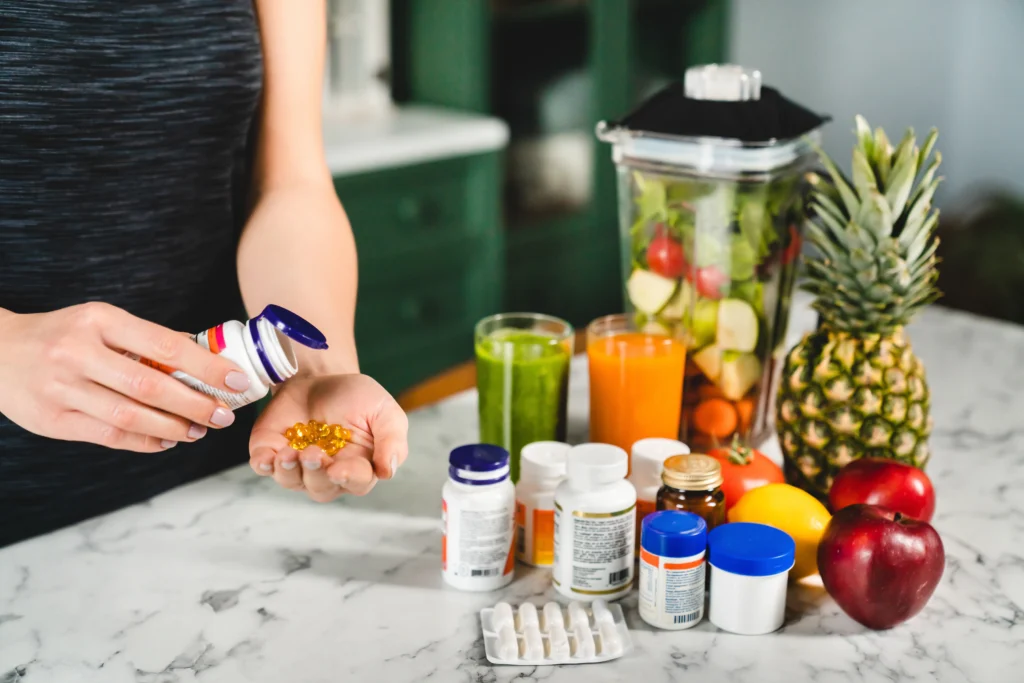
When combined with healthy lifestyle habits, the right supplements can provide additional support for metabolic health.
1. Magnesium
It is an important part of making insulin work well and helps glucose get into your cells. If you don’t get enough magnesium, your insulin may not work as well, and you may also be more likely to develop type 2 diabetes.
2. Chromium
It helps your body break down carbohydrates better and helps insulin work better. Also, for some people, it may help lower cravings for sugar and help them better control their blood sugar levels overall.
3. Berberine
This is a chemical in plants that has been researched and proven to enhance the effectiveness of insulin in regulating blood glucose production in the liver and improving overall metabolic function (increased metabolism).
4. Alpha Lipoic Acid
ALA is an antioxidant that may help diabetics with elevated blood glucose levels by improving the health of their nervous systems, reducing inflammation, and increasing insulin sensitivity.
5. Vitamin D
It is very important for both the release of insulin and how the body uses glucose. Not getting enough of this vitamin has been linked to a higher risk of developing insulin resistance and other metabolic problems.
6. Omega-3 fats
It helps lower inflammation, enhances heart health, and may make insulin more sensitive, especially for people with metabolic syndrome.
Important: Always consult a healthcare professional before starting any supplements, especially if you are already taking medications or have existing health conditions. Supplements should support – not replace – medical treatment when necessary.
Lifestyle Habits That Improve Insulin Sensitivity

Your daily routine – how much you eat, how much you move, and how you spend your time -has a huge impact on your health. By making a few changes to certain habits, you can increase your insulin sensitivity. For example, you could:
- Get enough sleep every night.
- Manage your stress levels.
- Maintain a healthy body weight.
- Eat balanced meals at regular intervals.
- Drink enough water throughout the day.
- Engage in daily physical activity.
- Limit processed foods and sugary beverages.
- Include plenty of fiber in every meal.
- Watch your portion sizes.
- Limit your intake of alcoholic beverages.
- Stop smoking.
- Take breaks from sitting too long.
Foods to Avoid for Better Blood Sugar Control
Some foods can really shoot up your blood sugar control. That’s because those foods are digested quickly and enter the bloodstream pretty quickly; when you limit these foods, you’ll do a better job at keeping your blood glucose levels stable, assist with insulin sensitivity, and enhance the overall metabolic health of your body. Foods such as:
- Sugary Drinks
- White Bread and Refined Flour
- Processed Snack Foods
- Fried Food
- Sweets and Bakery Products
- Sugary Breakfast Cereals
- Pastries or Cakes
- Ice Cream and frozen desserts
- Sugar in Yogurt
- White Rice
- Potato chips and fries
- Candy and Chocolate Bars
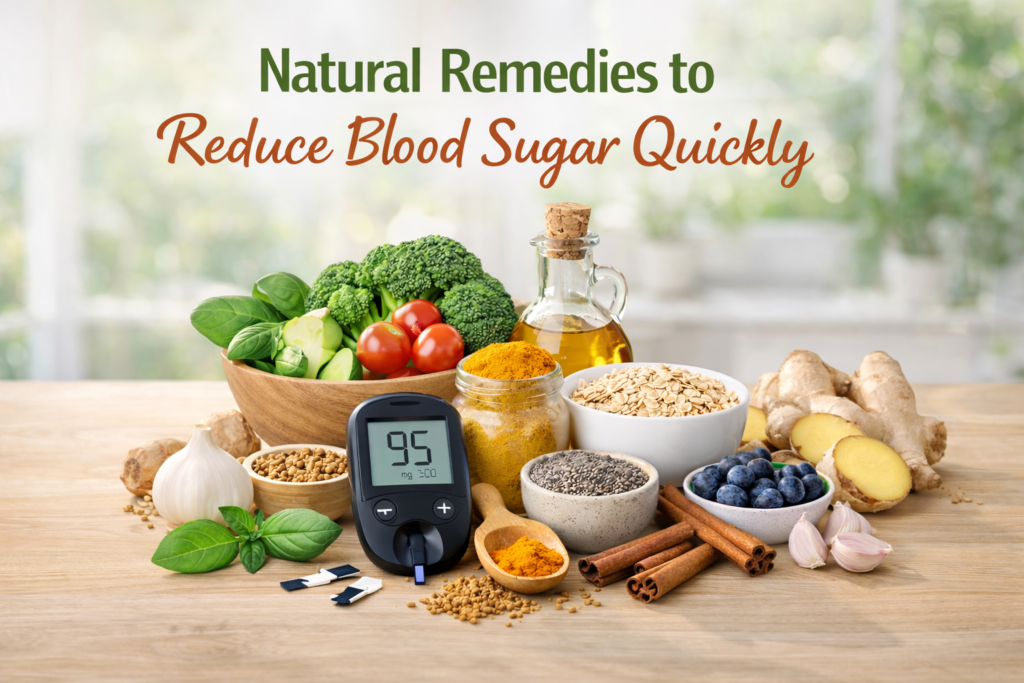
Natural Remedies to Reduce Blood Sugar Quickly
After having a meal, or stress, or eating high-carb foods, the blood sugar may spike. But if you do some movements or take proper care, you can naturally boost insulin in the body, provide natural blood sugar support, and stabilize your glucose levels. Simple methods like:
1. Go for a Walk After Eating
After a meal, a short walk helps the body’s muscles to use glucose immediately for energy. This helps sugar to move into the pancreas from the bloodstream. A simple 10-15 minutes of walking after meals can reduce post-meal blood sugar spike by up to 20-30% compared to not moving at all.
2. Drink More Water
Proper hydration helps your kidneys to function properly and helps in flushing out excess glucose through urine. Studies suggest that drinking 500-700 ml of water lowers your blood sugar levels within a short period. Mostly, people get confused between thirst and hunger, which also worsens the glucose spikes.
3. Eat Protein or Fiber With Carbohydrates
Eating a meal that is balanced and has protein (like eggs, yogurt, and nuts) or fiber (such as veggies, seeds, and whole grains) slows down how quickly the body digests and absorbs sugar. This can help keep blood sugar levels from rising too much after meals. Studies reveal that meals that are balanced may lower blood sugar levels by 30-40% compared to meals that are high in carbs.
4. Apple Cider Vinegar Before Meals
This is a type of vinegar made from fermented apple juice. It supports digestion and helps in regulating blood sugar levels. Consuming 1-2 tablespoons of it diluted with water before meals has been shown to improve insulin sensitivity and reduce post-meal blood sugar levels by 20-30%, especially in people who are prediabetic or insulin resistant.
5. Deep Breathing
This technique is very effective in lowering the stress hormones like cortisol and adrenaline, which signal the liver to release extra glucose into blood strem. When you practice slow, deep breaths, your body activates the parasympathetic nervous system (the “rest-and-digest” mode), calming the body, slowing heart rate, and lowering cortisol levels.
Who Can Benefit Most from Natural Blood Sugar Control?
Natural methods are helpful for those individuals who are in the early or moderate stages of metabolic imbalance. These natural techniques work for:
- Prediabetes
- Insulin resistance
- Mild blood sugar imbalance
- Prevention of diabetes
- Supporting medical treatment
- Overweight or obesity
- Sedentary lifestyle
- People with a family history of diabetes
- Early signs of metabolic syndrome
- Stress-related blood sugar fluctuations
- Those with poor dietary habits
FAQs
1. How can I lower my blood sugar quickly at home?
To reduce sugar levels at home, focus on the activities that help your body to use glucose efficiently. Make little changes in your daily habits, take a brisk walk of 10-15 minutes, or engage in simple physical activities encourage muscles to absorb excess sugar. Drinking water in proper amounts helps in excess glucose removal through urine, and protein or fiber further prevents sugar spikes. To manage stress, you can do some light meditation or yoga.
2. Which foods reduce blood sugar naturally?
Foods that help lower blood sugar naturally are those that are digested slowly and keep glucose levels stable. Foods that are high in fiber, like oats, lentils, and vegetables, along with protein-rich foods such as eggs, fish, nuts, and seeds, prevent sudden spikes. Whole fruits like berries are also beneficial because they provide nutrients without rapidly raising blood sugar.
3. Which exercise can lower blood sugar the fastest?
The best and simplest exercise you can do is to take a walk for 10-15 minutes after your meals. This make bosy to use energy instantly, preventing sugar spikes.
Other helpful options include climbing stairs, cycling, strength exercises, or short bursts of high-intensity intervals. Post-meal movement helps your muscles to use energy, improving insulin sensitivity and reducing spikes quickly.
4. What is the age for having blood sugar?
Everyone has blood sugar (glucose) because the body needs it for energy and proper activities. Lifestyle factors and impaired insulin sensitivity lead to higher diagnoses of prediabetes and diabetes in persons over 35 – 45. Regular health checks are still necessary for early detection and management of illnesses like Type 1 diabetes, which can develop at any age.
5. Can blood sugar be controlled without medication?
Blood sugar can be managed without medication, but in certain cases, such as prediabetes, insulin resistance, or mild elevation. Eating low-glycemic meals, keeping yourself active by doing some exercises, maintaining a healthy weight, get proper sleep of 7-9 hours can improve insulin sensitivity to a greater extent. But if you have type 2 diabetes, then medical guidance is required.
Keep Learning with Reviews and Buy
Looking for more simple and trustworthy health information? Reviews and Buy offers easy-to-read wellness guides, honest supplement reviews, and detailed product comparisons to help you make smarter decisions. Explore helpful insights, discover practical tips, and choose products with confidence. Continue your journey toward better health with clear and reliable information you can trust.