



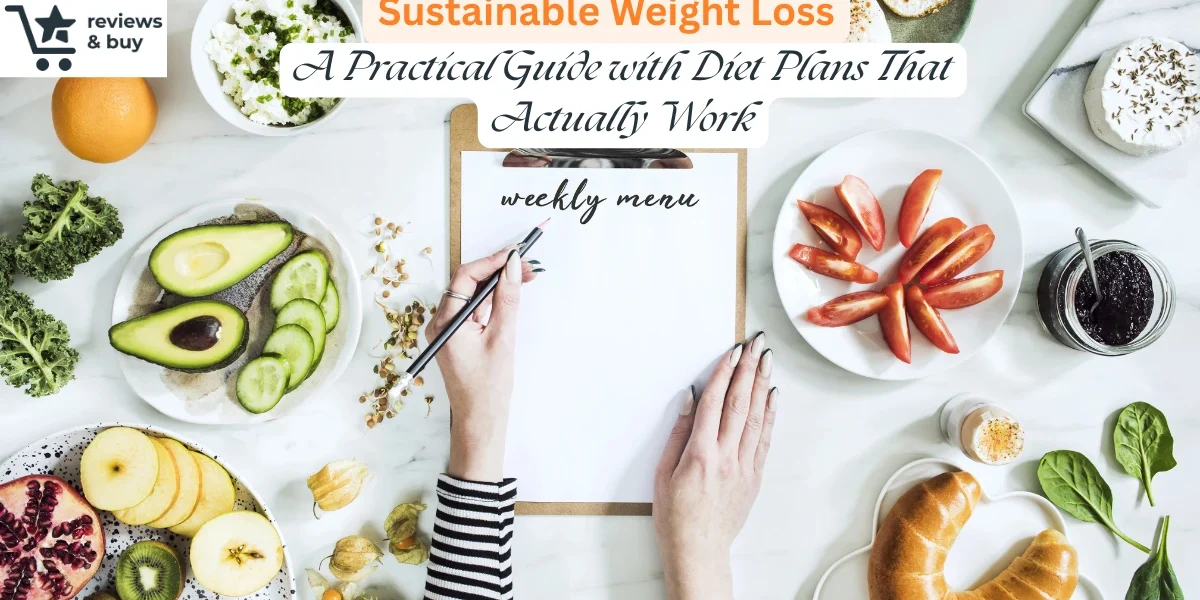
Weight loss is typically easy to get started with, but usually hard to sustain. Lots of people try restrictive diets that allow them to quickly lose weight, but then gain the weight back because that type of approach cannot be lived with on a long-term basis. Sustainable weight loss plan relies on developing maintainable habits such as eating well-balanced meals, engaging in regular physical activity, and developing an improved relationship with food without feeling restricted.
Most people have gone through the vicious “I’ll begin next day” cycle of motivation and then returned to old bad habits within a matter of days. You will make lasting changes through implementing very small changes to your lifestyle, not through making large-scale changes due to following extreme dieting or other types of “quick-fix” programs. Once you create a system for losing weight that allows you to have a sense of control and freedom over that process, it will become maintainable throughout your life with minimal effort.
What Is Sustainable Weight Loss?
Sustainable weight loss is healthy weight loss plan that your body can handle and maintain in the long term. It is not about suddenly feeling that your weight is more than normal and starting to skip meals with the idea that you will lose weight as fast as possible. Instead of extreme diets or cutting entire food groups, the focus should be on eating balanced meals, creating a steady calorie deficit, and including healthy habits that easily fit into your daily routine.
When you lose weight too quickly, your body goes into shock, and you lose both muscle and fat. This slows down your metabolism and energy, which makes it easier to gain weight, sometimes quickly. Losing weight slowly lets your body adjust, keeps muscle, and makes you healthier. When you put long-term weight loss ahead of quick fixes:
- You feel more satiated, not deprived.
- In this way, you lose around 0.5-1 kg per week
- Belly fat gets reduced while maintaining muscle mass.
- Helps you in developing healthy habits.
According to the health experts thsi is the safest and most realistic way for long-term weight loss. The main goal is not just to see the lower numbers on the scale; it is about keeping your body healthy at the same time. Achieving sustainable weight loss is all about keeping your metabolism strong and your energy levels high without affecting your health.
What is Calorie Deficit Diet?
Weight loss happens when your body burns more calories than you consume; in simple terms, it is known as a calorie-deficient diet. Research shows that a moderate deficit of about 300–500 calories per day can lead to gradual, sustainable weight loss of around 0.5-1 kg per week for most people.
But do remember that eating less or creating a calorie deficit doesn’t mean that you starve yourself. If you don’t eat enough, it can backfire on you and can result in a slow metabolism, increased cravings, and mental as well as physical fatigue.
Studies suggest severe calorie restriction may reduce metabolic rate by 10-20%, making weight loss harder over time. A moderate deficit works best because it allows your body to lose fat while still functioning properly.
Think of it like this: You don’t need to eat less – you need to eat smarter.
How to Lose Weight With a Balanced Diet?
A balanced diet is the foundation of long-term and sustainable weight loss diet. Instead of cutting carbs completely or avoiding fats, keep your focus on giving your body the right nutrients in the right amount. When meals are balanced, cravings naturally reduce, energy levels stay stable, and it becomes much easier to maintain a calorie deficit without feeling deprived.
A simple balanced plate should include:
- Protein: Eggs, chicken, paneer, tofu, fish, lentils
- Healthy carbs: Whole grains, fruits, vegetables
- Healthy fats: Nuts, seeds, olive oil, ghee (in moderation)
- Fiber: Vegetables, salads, legumes
- Hydration: Water, buttermilk, herbal tea
Metabolism-Boosting Foods That Support Weight Loss

Metabolism plays a very important role in how efficiently your body uses calories for energy. Additionally, genes and your lifestyle also influence it, but what you are eating makes a difference.
Choosing nutrient-dense, protein-rich, and fiber-rich foods helps your body stay energized, supports muscle maintenance, and prevents sudden hunger, which indirectly supports weight loss.
Some food examples that enhance your metabolism include:
- Eggs – Rich source of protein and essential nutrients.
- Green Tea– Improves fat utilisation when consumed regularly.
- Coffee (without sugar) – slightly increases calorie burn, enhancing metabolism.
- Chilli Peppers – Natural compounds help in appetite control and support calorie burn.
- Protein-rich foods – Chicken, fish, paneer, tofu, and lentils.
- Whole grains – Helps avoid blood sugar crashes that trigger cravings.
- Leafy vegetables – Low in calories but high in fiber.
- Nuts and seeds – These contain healthy fats and proteins.
Diet Plan for Weight Loss for Beginners
If you are thinking of starting your weight loss journey, then following a diet plan for weight loss for beginners is the best and simplest way to begin. I’m not saying this without experience—I’ve personally tried it, and it works. The best part is, you don’t need complicated meal plans or expensive superfoods to lose weight effectively.
A simple beginner weight loss diet plan should focus on balance. Try to include protein-rich foods, fiber, and healthy carbohydrates in your daily meals. This kind of healthy diet for weight loss helps your body get all essential nutrients while keeping you full for longer.
When you follow a simple diet plan for beginners, you naturally reduce cravings for unhealthy snacks and overeating. Small changes like eating home-cooked meals, controlling portions, and staying consistent can make a big difference.
Remember, the goal of a weight loss meal plan for beginners is not perfection but sustainability. Start simple, stay consistent, and your body will gradually respond with healthy and lasting results
Beginner Daily Meal Plan
1. Breakfast
Morning sets the whole mood of the day. Start your day with something filling like oatmeal with berries and nuts, scrambled eggs with whole-grain toast, Greek yogurt with fruit, or a smoothie with protein, spinach, and almond milk.
2. Mid-morning snack
If you feel hungry before lunch, grab an apple, a handful of almonds, cottage cheese, or protein yogurt. This will keep you energetic and prevent overeating later.
3. Lunch
A balanced lunch could be grilled chicken or tofu with brown rice or quinoa, roasted vegetables, and a salad. You can also do a whole-grain wrap with lean protein and veggies. The goal is protein, fiber, and healthy carbs.
4. Evening Snack
In the afternoon, go with something that is healthy and has a crunch, like hummus with carrot sticks, or a boiled egg. You can also grab a Greek yogurt or air-popped popcorn. A mix of protein with fiber keeps your hunger in check.
5. Dinner
Keep your dinner simple and light. Eat grilled salmon, chicken breast, tofu, or beans with steamed vegetables, salad, or a small portion of whole grains works well as they are easily digested.
6. Optional (If Hungry Later)
If, before going to bed, you are still feeling a little hungry, then herbal tea, warm milk, or a small portion of cottage cheese are the best options as tey are don’t make you feel heavy.
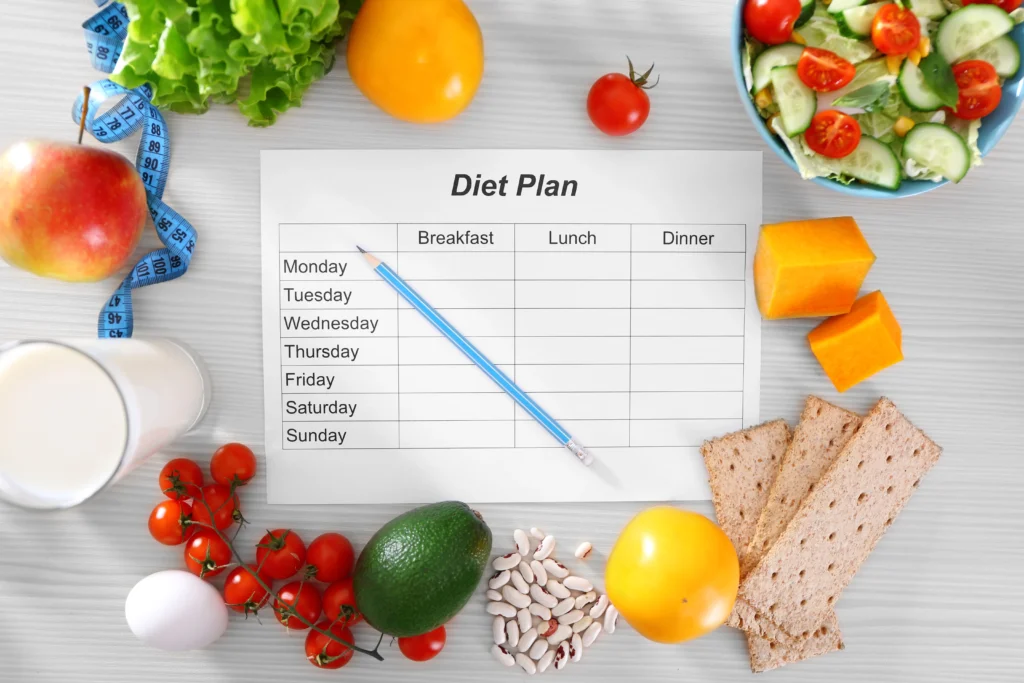
7 Day Diet Plan for Weight Loss
A 7 day diet plan for weight loss is a simple and effective way to kickstart your fitness journey with structured, balanced meals. This weekly weight loss diet plan focuses on healthy foods like protein, fiber, and complex carbs to boost metabolism and control cravings. Following a sustainable weight loss plan helps improve portion control and build better eating habits. Stay consistent with this beginner-friendly weight loss plan to see sustainable and natural results.
Day 1
- Breakfast: Greek yogurt with berries and a sprinkle of granola
- Snack: Apple with a few almonds
- Lunch: Grilled chicken salad with mixed greens, olive oil, and lemon dressing
- Snack: Baby carrots with hummus
- Dinner: Baked salmon with roasted vegetables
Day 2
- Breakfast: Oatmeal with peanut butter and sliced banana
- Snack: Cottage cheese with fruit
- Lunch: Turkey and avocado whole-grain wrap with side salad
- Snack: Handful of pistachios
- Dinner: Stir-fried tofu with vegetables and brown rice
Day 3
- Breakfast: Scrambled eggs with whole-grain toast and spinach
- Snack: Protein smoothie with milk/almond milk and fruit
- Lunch: Quinoa bowl with black beans, corn, and grilled vegetables
- Snack: Rice cakes with peanut butter
- Dinner: Grilled chicken breast with steamed broccoli
Day 4
- Breakfast: Chia pudding with berries
- Snack: Orange or pear
- Lunch: Tuna salad with whole-grain crackers and vegetables
- Snack: Greek yogurt
- Dinner: Lean ground turkey lettuce wraps with sautéed veggies
Day 5
- Breakfast: Smoothie with protein powder, spinach, frozen berries, and milk
- Snack: Boiled eggs
- Lunch: Brown rice bowl with grilled shrimp and vegetables
- Snack: Apple with peanut butter
- Dinner: Baked chicken with roasted sweet potatoes and green beans
Day 6
- Breakfast: Whole-grain toast with avocado and poached eggs
- Snack: Mixed nuts
- Lunch: Lentil soup with side salad
- Snack: Cottage cheese or yogurt
- Dinner: Grilled steak (lean cut) with asparagus
Day 7
- Breakfast: High-protein pancakes with fresh fruit
- Snack: Banana with a few walnuts
- Lunch: Chickpea salad with cucumber, tomatoes, and feta cheese
- Snack: Air-popped popcorn
- Dinner: Baked cod or tofu with sautéed vegetables
Best Diet Plan for Women to Lose Weight
The best diet plan for women to lose weight focuses on balanced nutrition, including lean proteins, fiber-rich foods, and healthy fats to support overall health. It’s important to maintain portion control while eating regular, wholesome meals throughout the day. Staying hydrated and limiting processed foods can help improve results. Consistency, along with light exercise, plays a key role in achieving sustainable and healthy weight loss.
| Time | Meal | What To Eat? |
| Morning | Hydration | Water with lemon slices or plain water |
| Breakfast | Nourishing start | Whole-grain English muffin with peanut butter or breakfast burrito with eggs and veggies, or chia pudding with almond milk |
| Mid-Morning Snack | Light snack | Peach, pear, or a handful of trail mix |
| Lunch | Balanced meal | Turkey lettuce wraps with avocado or quinoa black bean bowl with veggies or grilled shrimp salad |
| Afternoon Snack | Healthy snacking | Rice cakes with cottage cheese, edamame, or a low-sugar protein bar |
| Dinner | Light protein-focused | Baked cod or chicken with roasted Brussels sprouts or tofu stir-fry with vegetables, or lean steak with asparagus |
| Optional (If Hungry Later On) | Night | Herbal tea or a small handful of pistachios |
Meal Plan for Weight Loss on a Budget
| Day | Breakfast | Lunch | Dinner |
| Mon | Overnight oats with peanut butter | Lentil and vegetable soup | Baked chicken thigh with roasted carrots |
| Tue | 2 scrambled eggs on whole wheat toast | Leftover lentil soup | Ground turkey & cabbage stir-fry |
| Wed | Greek yogurt with frozen berries | Leftover turkey & cabbage stir-fry | Black bean & sweet potato tacos |
| Thur | Overnight oats with frozen berries | Leftover blackbeans tacos | Tuna salad over mixed greens |
| Fri | 2 boiled eggs & an apple | Tuna-salad sandwich (whole wheat) | Sheet-pan sausage and frozen veggies |
| Sat | Banana pancakes (egg + banana) | Leftover sausages & veggies | Brown rice bowls with beans & salsa |
| Sun | Veggie omelet ( using leftover bits) | Leftover Rice & Bean Bowl | Baked fish( or chicken) with broccoli |
Common Mistakes That Slow Weight Loss
Losing weight is often less about willpower and more about the small daily habits that slip under the radar. Things like irregular meals, poor sleep, or not moving enough during the day can slowly affect your metabolism, hunger levels, and energy. Paying attention to these areas makes it easier to make changes that support steady, realistic progress.
Common issues include:
- Not eating enough and feeling weary, hungry, or seeking junk food.
- Skipping meals often causes overeating at the following meal.
- Lack of protein to fuel metabolism and stay full
- Consuming soda, sweet coffee, or bottled juices
- Poor sleep raises hunger hormones and cravings.
- Stress or emotional munching without awareness
- An erratic regimen with irregular mealtimes
- Dependence on processed “convenience” meals
- Sitting for lengthy hours without moving much
Exercise for Sustainable Weight Loss Plan
When I started focusing on a sustainable weight loss plan, I realized that exercise doesn’t have to be extreme or exhausting to be effective. I began with simple activities like daily walking, light workouts, and gradually added strength training. This helped me stay consistent without feeling overwhelmed.
For me, the key was finding exercises I actually enjoyed, because that made it easier to stick with the routine long-term. A mix of cardio and strength training worked best, as it improved my energy levels and supported fat loss naturally.
I also learned that consistency matters more than intensity. Even 20–30 minutes a day made a noticeable difference over time. Listening to my body and giving it proper rest was equally important in my journey.
If you’re starting out, keep it simple, stay regular, and focus on building a routine you can maintain—because sustainable weight loss is all about long-term habits, not quick fixes.

When you want to lose weight, diet is really important, but so is exercise. If you don’t move your body, you won’t be able to assimilate nutrients and burn calories. You can do:
- Walking
- Strength training
- Cycling
- Yoga
- Home workouts
- Sports (like basketball, badminton, tennis)
- Jogging or running
- Swimming
- Pilates
- Dance workouts or Zumba
- Hiking
- Stair climbing
- Resistance band exercises
- Bodyweight exercises (squats, push-ups, lunges)
How Long Does Sustainable Weight Loss Take?
Realistic expectations can improve how you see your weight loss journey. They also reduce the amount of stress that you may feel along the way. Losing weight at a sustainable rate takes some time to occur, and while weight is not necessarily lost in a way that is harmful to your health, the amount of time it actually takes to see these changes will vary depending on your own individual physiology. Understanding what to expect along the way can help you stay patient and consistent during the process.
A general timeline you can notice in your weight loss journey:
- 2 Weeks: Improved energy, feeling lighter and less bloated.
- 4 Weeks: May start to see differences in how clothes fit and small changes in your physical appearance.
- 8-12 Weeks: Noticeable fat loss and/or improved strength and/or endurance.
- 6 Months: Very noticeable changes in body composition and healthy behaviors become a normal part of daily life.
Conclusion
Long-term sustainable weight loss program can be attained by continuing to make healthy decisions on a regular basis. Every part of your daily habits forms a foundation for why you eat the way you eat, what foods you choose, and how active you are (active vs. inactive). By focusing on your daily habits, over time, you will see changes in your body, helping you maintain your long-term weight loss goals.
Frequently Asked Questions (FAQs)
1. What is the best diet for sustainable weight loss?
For sustainable weight loss plan, the best diet is enriched with whole, nutrient-rich foods like vegetables, lean proteins, healthy fats, and fiber. Certain meal plan like the Mediterranean diet emphasized balanced meals over extreme calorie cutting. The goal is steady fat loss, about 1-2 pounds per week, while keeping meals satisfying, easy to follow, and sustainable for long-term results.
2. How many calories should I eat to lose weight?
To lose weight, the most important thing is to eat a bit less than your body needs every day. If you reduce 300 to 500 calories from your diet every day, you can lose around 1 to 2 pounds a week. The number of calories you need changes based on your age, how active you are, and how you live your life. You have to figure out what works for you.
3. Can I lose weight without exercise?
You can lose weight without exercising, but you usually have to be very careful about what you eat. Eating a little less than your body burns will still help you lose weight since it puts you in a calorie deficit. Exercise speeds up the process, maintains your muscles strong, and makes you healthy overall. However, eating well all the time could still lead to weight loss.
4. How much protein do I need for weight loss?
Weight loss requires a strong focus on protein as it will help keep you full, aid in your muscle repair process, and boost your metabolic rate. Generally, adults require 0.8 to 1.2 grams of protein per lb of body weight, depending on the person. Look for foods such as chicken, eggs, fish, beans, or dairy to control hunger while also maintaining muscle mass during your weight loss.
5. Why do I stop losing weight after some time?
It’s normal for the scale to stop moving at some point. Your body changes as you lose weight and burn fewer calories, so what worked before might not be enough anymore. You can get through this by changing the sizes of your meals, adding extra protein, changing up your workouts, and paying attention to how much sleep and stress you get.
Read more – How to control blood sugar naturally
Looking for simple and trustworthy health information? Reviews and Buy provides easy-to-read wellness guides, honest supplement reviews, and clear product comparisons.
Discover practical tips, helpful insights, and expert-backed advice to make smarter health decisions.
Start your journey toward better health today with reliable information you can truly trust.

Other Articles
How to Control Blood Sugar Naturally Without Medication?